B+ Psilocybe cubensis Spores — Overview (For Microscopy Research Only)
Classification
-
Type: Hallucinogenic species (research classification)
-
Microscopy Use: Suitable for spore observation, taxonomy, and mycology study
-
Environmental Association: Frequently linked with nutrient-rich soils and herbivore environments
-
General Climate: Subtropical
-
Reported Origin: Unconfirmed, though often associated with Florida
Strain Description
General Characteristics
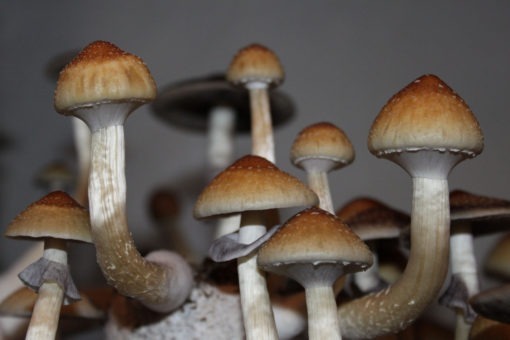
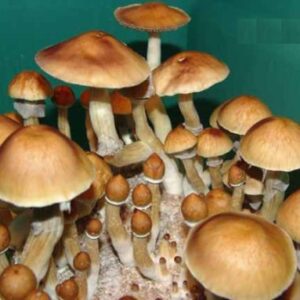
The B+ strain of Psilocybe cubensis is widely recognized within the microscopy community for its robust mycelial structure and its adaptability across varying environmental conditions (in natural settings). Under nutrient-rich circumstances in the wild, this strain is reported to produce notably large fruitbodies with caramel-colored caps.
When young and fully hydrated, the cap displays a translucent amber tone that later oxidizes into a lighter, flesh-colored surface, often showing blue-green bruising due to oxidation of psilocybin compounds.
Scientific Notes
A study examining Psilocybe cubensis specimens found variability in the presence of psychoactive compounds:
-
Some strains showed psilocin in the cap but not in the stem.
-
Levels of psilocybin and psilocin fluctuated by more than a factor of four depending on the growing conditions.
These findings are relevant for researchers studying fungal biochemistry, taxonomy, and natural compound variability.
Habitat and Distribution (Wild Observations)
Natural Ecology
In the wild, Psilocybe cubensis strains—including B+—are typically associated with humid, grassy regions and are historically documented in tropical and subtropical climates. They have been reported in parts of:
-
The southern United States (often below the 35th parallel)
-
Colombia, Ecuador, and Peru
-
Some regions in Asia
These observations help mycologists understand natural biodiversity and evolutionary patterns.
Notes for Microscopy Researchers
Common Spore Formats
For laboratory or microscopy study, spores are often distributed in various non-cultivation formats, such as:
-
Spore syringes (e.g., 20 mL solutions)
-
Spore vials (e.g., 10 mL solutions)
-
Spore prints
Spore Suspension Solutions
Research-grade B+ spores are sometimes suspended in an organic buffer solution intended to:
-
Extend shelf-life
-
Prevent clumping against the container walls
-
Maintain sample clarity for microscopy
-
Support mycelial study under laboratory-legal conditions only
Observed Psychoactive Effects (Informational Only)
Disclaimer: The following section describes effects reported by individuals in jurisdictions where psilocybin is decriminalized or used in clinical research. This does not endorse use, cultivation, or possession.
Psilocybin-containing mushrooms, including P. cubensis, have been described as producing:
Cognitive & Perceptual Changes
-
Visual distortions
-
Altered sense of space
-
Heightened imagination and creativity
-
Time-perception shifts
-
Dreamlike thinking or introspection
Physical Responses
-
Lowered body temperature
-
Sensory changes
-
Occasional dizziness or nausea (reported)
The nature of a “psychedelic experience” varies greatly and depends on psychological state, environment, and individual sensitivity.
Reported Therapeutic Research Areas
In controlled clinical and academic environments, psilocybin has been studied for potential therapeutic relevance in areas such as:
-
Cluster headaches
-
Certain mental health conditions (e.g., depression, anxiety under medical supervision)
These studies are conducted under strict professional oversight and legal authorization.
Legality Notice
Psilocybin mushrooms and their cultivation are illegal in many countries and jurisdictions.
Spore samples labeled for microscopy and taxonomic research only must not be used in any way that violates local or federal law.
Be the first to review “B+ Cubensis Spores”
Related products
Mushrooms
Mushrooms
Mushrooms
Mushrooms
Mushrooms
Mushrooms
Reviews
There are no reviews yet.